


Understanding a Healthy Lifestyle
Learn how to live a balanced life with healthy eating, exercise, stress reduction, and self-care.
A healthy lifestyle is a combination of many practices and choices that contribute to overall wellness. This includes eating healthy, exercising regularly, sleeping enough, and mental health.
A healthy lifestyle requires the consumption of a variety of foods providing nutrients. Good nutrition is the foundation of a healthy lifestyle. Eating plenty of fruits, vegetables, whole grains, and lean proteins is good for your body and gives you the energy to get you through your day.

- 60 Veg. Capsules.
- MULTI-VITAMINS : Nutritionally Rich with vitamins, minerals and amino acids. Rich Source of Vitamin A, B1, B2, B3, B6, K…
- Increases metabolism.
Physical activity is another important factor in supporting a healthy weight along with the cardiovascular system, muscles, and bones. Physical activity—whether it’s walking, running, or resistance training—has been directly linked to lower risks of chronic diseases such as diabetes and heart disease.
Exercise is good for mental health. It releases endorphins that relieve stress and improve mood.
A healthy lifestyle also requires adequate sleep. Rest is essential for the body’s healing process, as well as for mental, emotional, and physical health. Most adults require approximately 7 to 9 hours of sleep per night to function optimally. Mental wellness is also an important aspect of overall health.
“Mindfulness, meditation, and social connections are practices that can help with emotional resilience and stress management.
These components of a healthy lifestyle—proper nutrition, exercise, regular, sound sleep,
and mental well-being—are interlinked, creating a supportive environment for comprehensive health.
Individuals who focus on these areas can enjoy a variety of health benefits, including increased energy, improved mood, and a lower risk of health problems.
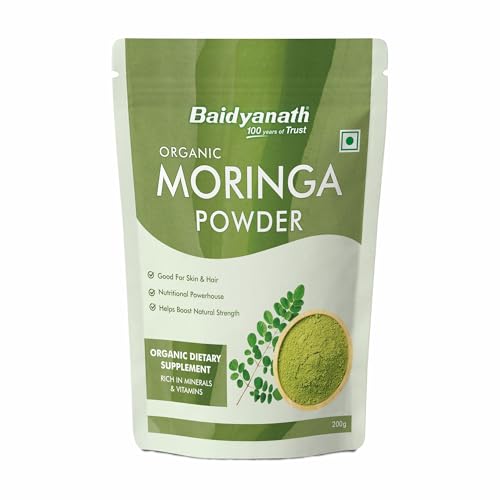
- Certified Organic Moringa Powder | Nutrient-Rich Superfood: Baidyanath Organic Moringa Powder is made from finely proces…
- Plant-Based Superfood for Daily Wellness Routine: This Green Superfood Powder is commonly included in diets as a Natural…
- Supports Energy, Immunity & Daily Vitality: Known as a Natural Energy Booster and Herbal Wellness Supplement, this Morin…
Nutrition Basics: How to Feed Your Body Right
Good nutrition is an essential component of healthy living. You should understand the various food groups because each serves a different purpose in the body. Fruits, vegetables, grains, proteins, and dairy are the five basic food groups. Eating a variety of foods from each of these categories will provide you with the nutrients your body requires to function optimally.
The macronutrients are carbohydrates, proteins, and fats. They are needed for energy production, muscle building and repair, and for the body to work properly.
Carbohydrates give energy, and proteins help to grow and repair tissues.
Healthy fats, such as those found in avocados and nuts, are essential for hormone production and nutrient absorption. Besides macronutrients, we also need micronutrients, including vitamins and minerals.
Although required in smaller amounts, they are just as essential for immune function, bone health, and cellular processes.
Meal planning is an effective strategy for achieving balanced nutrition. Individuals who plan their meals ahead of time can focus on portion control, preventing overeating and encouraging a more mindful approach to food consumption.
Consider preparing meals around a variety of colorful vegetables and fruits while also including whole grains and lean proteins. This increases nutrient intake while also promoting satiety and satisfaction.
Understanding food labels empowers people to make healthier choices. Look for whole ingredients, reduce sodium, and limit added sugars. Incorporating more fruits and vegetables into your daily meals is simple; add them to smoothies, salads, or even snacks to boost your fiber intake and overall nutrition.
Adopting these nutrition basics is critical for properly fueling the body and promoting a healthy lifestyle.
Incorporating Exercise into Your Daily Routine
Regular physical activity is essential for a healthy lifestyle, as it contributes to both physical and mental well-being. Participating in a variety of exercises can improve your health by increasing cardiovascular endurance, building strength, and promoting flexibility and balance.
Aerobic exercises, like walking, running, cycling, and swimming, are essential for cardiovascular health. These exercises boost heart rate and lung capacity.
This helps to lower the risk of chronic diseases like heart disease and diabetes. Strength training exercises, such as weightlifting or resistance bands, not only build muscle mass but also increase metabolic rate
Allowing the body to burn calories more efficiently even when at rest.
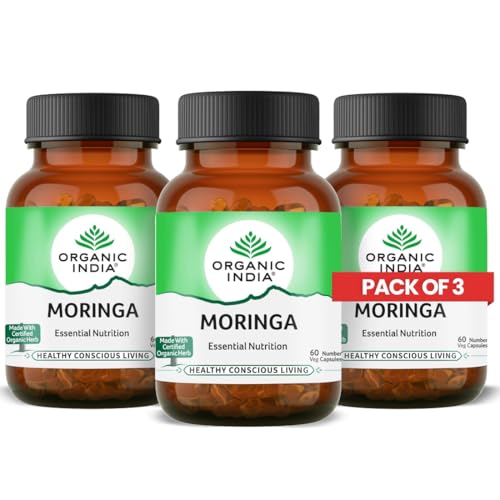
- Ingredients : Organic Moringa leaf (Moringa oleifera) – 350 mg
- Direction of Use : 2 – 4 capsules with food & water 2 times a day, or as directed by your health care provider. Safe for…
- Benefits: Moringa leaves have 4 times more Beta-Carotene ( raw form of Vitamin A) than that of carrots. 17 times more ca…
In addition to aerobic and strength training, flexibility and balance exercises are required. Yoga and tai chi, for example, improve flexibility, posture, and balance, all of which are especially important as we age and help to avoid falls and injuries. Each type of exercise serves a distinct purpose in ensuring a well-rounded fitness routine.
Prioritising Mental Health and Well-being
Mental health is an important factor to consider when striving for a healthy lifestyle. A focus on mental well-being is critical not only for overall health but also for leading a balanced life. Stress management techniques, mindfulness practices, and social connections are all essential for maintaining mental health.
Mindfulness is an effective stress-management strategy. Mindfulness encourages people to be present and fully engaged in their current situation rather than becoming overwhelmed by stressors. Meditation and yoga are effective tools for developing mindfulness. They both promote relaxation and help to cultivate a healthier mindset, which leads to better emotional regulation.
Also emphasizes the importance of maintaining one’s mental health and finding joy in everyday life.